VIPSolutions logo ✨ VIPSolutions

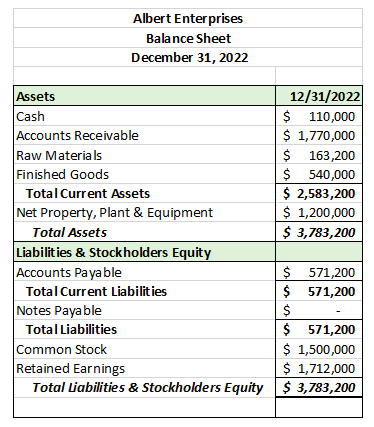
Sales: November, 2 0 2 2 Actual Sales were $ 1 , 5 0 0 , 0 0 0 and December, 2 0 2 2 Actual Sales were $ 2 , 1 0 0 , 0 0 0 Budgeted Sales for the first 5 months of 2 0 2 3 are: January 3 0 , 0 0 0 units February 4 0 , 0 0 0 units March 5 0 , 0 0 0 units April 4 5 , 0 0 0 units May 3 5 , 0 0 0 units Budgeted selling price is $ 6 0 / unit All sales are made on the account. 3 0 % is collected in the month of the sale, 5 0 % is collected in the first month following the sale, and the remaining 2 0 % is collected in the second month after the sale. The company wants to maintain a finished goods inventory equal to 4 0 % of next month ’ s budgeted units of sales. Each unit of production requires 3 kg of materials. The company maintains raw materials inventory equal to 2 0 % of next month ’ s production needs. The budgeted purchase price for raw materials is $ 8 / kg . All purchases of materials are made on account. 3 0 % of the month ’ s purchases are paid in the month of purchase and the remaining 7 0 % are paid the following month. Each unit of production requires 2 direct labor hours. The direct labor rate per hour is $ 6 / hour and all labor costs are paid by the end of the month. Variable manufacturing overhead per direct labor hour is $ 2 . The budgeted monthly fixed manufacturing overhead is $ 2 0 0 , 0 0 0 which includes monthly depreciation of $ 2 5 , 0 0 0 . Variable selling expenses per unit sold are $ 2 / unit . The budgeted monthly fixed selling and administrative expenses are $ 1 2 0 , 0 0 0 which includes monthly depreciation of $ 2 0 , 0 0 0 . The company will be acquiring some additional equipment in the first quarter of the year. They will purchase equipment for $ 3 0 0 , 0 0 0 in cash in January. Dividends of $ 1 5 0 , 0 0 0 will be paid out in March. The company has a policy that it needs to maintain a cash balance of $ 5 0 , 0 0 0 at all times. They do have a line of credit with their bank. It has an annual interest rate of 1 2 % . Borrowing, if needed, will occur at the beginning of the month and repayment of the principal and interest will occur at the end of the month. Borrowings and repayments are done in increments of $ 5 , 0 0 0 . REQUIRED: Prepare the sales budget for each month of the first quarter. Prepare the schedule of expected cash collections for each month of the first quarter. Prepare the production budget for each month of the first quarter. Prepare the direct materials budget for each month of the first quarter. Prepare the schedule of cash payments to supplier for each month of the first quarter. Prepare the direct labor budget for each month of the first quarter. Prepare the manufacturing overhead budget for each month of the first quarter. Prepare the selling and administrative expense budget for each month of the first quarter. Prepare the cash budget for each month of the first quarter. Prepare the budgeted income statement for the full quarter. Prepare the budgeted balance sheet as of March 3 1 , 2 0 2 3 . give full answer and give final summaryAlbert Enterprises Balance Sheet December 31,2022 [Cash $ 110000 [Accounts Receivable $ 1,770,000 Raw Materials $ 163200 Finished Goods $540,000 Total Current Assets $ 2,583,200 Net Property, Plant & Equipment $ 1,200,000 Total Assets [Liabilities & Stockholders Equity |_| [Accounts Payable Total Current Liabilities § 571,200 Notes Payable $s - Total Liabilities § 571,200 Common Stock $ 1,500,000 Retained Earnings. $ 1,712,000 Total liabilities & Stockholders Equity 1
Question:

Sales: November, 2 0 2 2 Actual Sales were $ 1 , 5 0 0 , 0 0 0 and December, 2 0 2 2 Actual Sales were $ 2 , 1 0 0 , 0 0 0 Budgeted Sales for the first 5 months of 2 0 2 3 are: January 3 0 , 0 0 0 units February 4 0 , 0 0 0 units March 5 0 , 0 0 0 units April 4 5 , 0 0 0 units May 3 5 , 0 0 0 units Budgeted selling price is $ 6 0 / unit All sales are made on the account. 3 0 % is collected in the month of the sale, 5 0 % is collected in the first month following the sale, and the remaining 2 0 % is collected in the second month after the sale. The company wants to maintain a finished goods inventory equal to 4 0 % of next month ’ s budgeted units of sales. Each unit of production requires 3 kg of materials. The company maintains raw materials inventory equal to 2 0 % of next month ’ s production needs. The budgeted purchase price for raw materials is $ 8 / kg . All purchases of materials are made on account. 3 0 % of the month ’ s purchases are paid in the month of purchase and the remaining 7 0 % are paid the following month. Each unit of production requires 2 direct labor hours. The direct labor rate per hour is $ 6 / hour and all labor costs are paid by the end of the month. Variable manufacturing overhead per direct labor hour is $ 2 . The budgeted monthly fixed manufacturing overhead is $ 2 0 0 , 0 0 0 which includes monthly depreciation of $ 2 5 , 0 0 0 . Variable selling expenses per unit sold are $ 2 / unit . The budgeted monthly fixed selling and administrative expenses are $ 1 2 0 , 0 0 0 which includes monthly depreciation of $ 2 0 , 0 0 0 . The company will be acquiring some additional equipment in the first quarter of the year. They will purchase equipment for $ 3 0 0 , 0 0 0 in cash in January. Dividends of $ 1 5 0 , 0 0 0 will be paid out in March. The company has a policy that it needs to maintain a cash balance of $ 5 0 , 0 0 0 at all times. They do have a line of credit with their bank. It has an annual interest rate of 1 2 % . Borrowing, if needed, will occur at the beginning of the month and repayment of the principal and interest will occur at the end of the month. Borrowings and repayments are done in increments of $ 5 , 0 0 0 . REQUIRED: Prepare the sales budget for each month of the first quarter. Prepare the schedule of expected cash collections for each month of the first quarter. Prepare the production budget for each month of the first quarter. Prepare the direct materials budget for each month of the first quarter. Prepare the schedule of cash payments to supplier for each month of the first quarter. Prepare the direct labor budget for each month of the first quarter. Prepare the manufacturing overhead budget for each month of the first quarter. Prepare the selling and administrative expense budget for each month of the first quarter. Prepare the cash budget for each month of the first quarter. Prepare the budgeted income statement for the full quarter. Prepare the budgeted balance sheet as of March 3 1 , 2 0 2 3 . give full answer and give final summaryUploaded ImageAlbert Enterprises Balance Sheet December 31,2022 [Cash $ 110000 [Accounts Receivable $ 1,770,000 Raw Materials $ 163200 Finished Goods $540,000 Total Current Assets $ 2,583,200 Net Property, Plant & Equipment $ 1,200,000 Total Assets [Liabilities & Stockholders Equity |_| [Accounts Payable Total Current Liabilities § 571,200 Notes Payable $s - Total Liabilities § 571,200 Common Stock $ 1,500,000 Retained Earnings. $ 1,712,000 Total liabilities & Stockholders Equity 1

This is AI generated Response.
Asked by: sreegeeth
Created at: 2025-11-15 08:58:11

Final Answer:

Rendered Raw Text
Did you like this answer?
# Comprehensive Master Budget for Q1 2023 **Albert Enterprises** *(All amounts in dollars except units or kg specified)* ## 1. **Sales Budget (Units and Dollars)** | Month | Budgeted Sales (Units) | Selling Price/Unit | Total Sales ($) | |------------|-----------------------|--------------------|-----------------| | January | 30,000 | $60 | $1,800,000 | | February | 40,000 | $60 | $2,400,000 | | March | 50,000 | $60 | $3,000,000 | | **Total** | 120,000 | | $7,200,000 | --- ## 2. **Schedule of Expected Cash Collections** ### Timing of Collections: - 30% in month of sale - 50% in following month - 20% in second month after sale #### **Breakdown** | Month | Nov Sales | Dec Sales | Jan Sales | Feb Sales | Mar Sales | Total Collections | |-----------|-----------|-----------|-----------|-----------|-----------|-------------------| | January | $ | $300,000 | $540,000 | | | $1,470,000 | | February | $ | $420,000 | $900,000 | $720,000 | | $2,040,000 | | March | $ | $ | $360,000 | $1,200,000| $900,000 | $2,460,000 | **Details:** - Nov: $1,500,000 × 20% = $300,000 (Jan) - Dec: $2,100,000 × 50% = $1,050,000 (Jan: $420,000 [20%], Feb: $420,000 [20%]) - Jan: $1,800,000 × 30% = $540,000 (Jan), ×50% = $900,000 (Feb), ×20% = $360,000 (Mar) - Feb: $2,400,000 × 30% = $720,000 (Feb), ×50% = $1,200,000 (Mar) - Mar: $3,000,000 × 30% = $900,000 (Mar) --- ## 3. **Production Budget** - **Finished Goods Inventory** = 40% of next month’s budgeted sales (units) - **January Ending Inventory** = 40% of February sales = 16,000 units - **December Ending Inventory** (Beginning Inventory for Jan) = 40% of January sales = 12,000 units | Month | Budgeted Sales | +Ending Inv. | -Beginning Inv. | Required Production | |-----------|---------------|--------------|-----------------|---------------------| | January | 30,000 | 16,000 | 12,000 | 34,000 | | February | 40,000 | 20,000 | 16,000 | 44,000 | | March | 50,000 | 18,000* | 20,000 | 48,000 | *April sales = 45,000 × 40% = 18,000 units --- ## 4. **Direct Materials Budget** - Each unit requires **3 kg** of material. - **Raw Materials Ending Inventory** = 20% of next month’s production needs ### a. **Production Needs** | Month | Units to Produce | × 3 kg/unit | Production Needs (kg) | |-----------|-----------------|-------------|----------------------| | | 34,000 | 3 | 102,000 | | February | 44,000 | 3 | 132,000 | | March | 48,000 | 3 | 144,000 | ### b. **Raw Materials Inventory** - January ending = 20% of February needs = 26,400 kg - December ending (Jan beginning) = 20% of January needs = 20,400 kg - February ending = 20% of March needs = 28,800 kg - March ending = 20% of April needs = 27,000 kg (April production: 45,000 × 3 = 135,000 × 20%) ### c. **Direct Materials to be Purchased** | Month | Production Needs | +Ending Inv. | -Beginning Inv. | Purchases (kg) | × $8/kg | Purchases ($) | |-----------|-----------------|--------------|-----------------|----------------|---------|---------------| | January | 102,000 | 26,400 | 20,400 | 108,000 | $8 | $864,000 | | February | 132,000 | 28,800 | 26,400 | 134,400 | $8 | $1,075,200 | | March | 144,000 | 27,000 | 28,800 | 142,200 | $8 | $1,137,600 | --- ## 5. **Schedule of Cash Payments to Suppliers** - 30% paid in month of purchase, 70% paid the following month | Month | 30% of Purchases | 70% of Prior Month Purchases | Total Cash Paid | |-----------|------------------|-----------------------------|-----------------| | January | $259,200 | $114,240* | $373,440 | | February | $322,560 | $604,800 | $927,360 | | March | $341,280 | $752,640 | $1,093,920 | *December 2022 purchases = (Jan beginning inv. + Jan needs - Jan ending inv.) = (20,400 + 102,000 - 26,400) = 96,000 kg × $8 = $768,000; 70% of $768,000 = $537,600 (but your Dec 31 A/P = $571,200, so use $571,200 for Jan's prior month payment). Revised January: 30% of Jan ($259,200) + Dec 31 A/P ($571,200) = **$830,400** --- ## 6. **Direct Labor Budget** - Each unit requires **2 hours** - Rate: **$6/hour** | Month | Units to Produce | Total DL Hours | DL Cost ($6/hr) | |-----------|-----------------|----------------|-----------------| | January | 34,000 | 68,000 | $408,000 | | February | 44,000 | 88,000 | $528,000 | | March | 48,000 | 96,000 | $576,000 | --- ## 7. **Manufacturing Overhead Budget** - Variable MOH: **$2/DL hour** - Fixed MOH: **$200,000/month** (includes $25,000 depreciation) | Month | DL Hours | Variable MOH | Fixed MOH | Total MOH | Cash MOH (exclude dep.) | |-----------|----------|--------------|-----------|-----------|-------------------------| | January | 68,000 | $136,000 | $200,000 | $336,000 | $311,000 | | February | 88,000 | $176,000 | $200,000 | $376,000 | $351,000 | | March | 96,000 | $192,000 | $200,000 | $392,000 | $367,000 | --- ## 8. **Selling and Administrative Expense Budget** - Variable S&A: **$2/unit sold** - Fixed S&A: **$120,000/month** (includes $20,000 depreciation) | Month | Units Sold | Variable S&A | Fixed S&A | Total S&A | Cash S&A (excl. dep.) | |-----------|------------|--------------|-----------|-----------|-----------------------| | January | 30,000 | $60,000 | $120,000 | $180,000 | $160,000 | | February | 40,000 | $80,000 | $120,000 | $200,000 | $180,000 | | March | 50,000 | $100,000 | $120,000 | $220,000 | $200,000 | --- ## 9. **Cash Budget** ### **Additional Info** - Equipment purchase: $300,000 (Jan) - Dividends paid: $150,000 (Mar) - Minimum cash: $50,000 - Beginning cash: $110,000 ### **Cash Receipts and Payments** | Month | Beg. Cash | + Collections | - Payments (All) | Equipment | Dividends | Borrow/Repay | End Cash | |------------|-----------|---------------|-----------------------------------|-----------|-----------|--------------|----------| | January | 110,000 | 1,470,000 | 830,400 + 408,000 + 311,000 + 160,000 = 1,709,400 | 300,000 | - | +430,000 | 50,000 | | February | 50,000 | 2,040,000 | 927,360 + 528,000 + 351,000 + 180,000 = 1,986,360 | | - | | 103,640 | | March | 103,640 | 2,460,000 | 1,093,920 + 576,000 + 367,000 + 200,000 = 2,236,920 | | 150,000 | | 176,720 | **Note:** - In January, payments exceed receipts + opening cash, so borrowing is needed to maintain $50,000 minimum. Shortfall: $1,709,400 + 300,000 - 1,470,000 - 110,000 = $429,400. Round up to $430,000 (in $5,000 increments). - In Feb and Mar, no further borrowing needed, as cash is sufficient. --- ## 10. **Budgeted Income Statement (For Q1 2023)** **a. Sales:** $7,200,000 **b. COGS:** - Direct Material: $3,076,800 - Direct Labor: $1,512,000 - MOH: $1,104,000 - Add: Beg. Finished Goods: $540,000 - Less: End. Finished Goods: $1,080,000 (18,000 units × $60/unit [see note below]) - **Total COGS:** $5,152,800 **c. Gross Margin:** $7,200,000 - $5,152,800 = $2,047,200 **d. Selling & Admin Expenses:** $600,000 **e. Operating Income:** $1,447,200 **f. Interest Expense:** - January borrowing: $430,000 × 12%/12 = $4,300 **g. Net Income Before Taxes:** $1,442,900 **h. Income Tax (assume % unless tax rate given):** $ **i. **Net Income:** $1,442,900 **Note:** - Ending FG: March ending inventory = 18,000 units. - Unit cost: - DM: 3 kg × $8 = $24 - DL: 2 hr × $6 = $12 - MOH: (variable $2 × 2 hr) + fixed allocation - Assume total MOH allocated per unit for the quarter: $1,104,000 / 126,000 units produced = $8.76/unit - Total per unit: $24 + $12 + ~$8.76 = ~$44.76/unit ⇒ For COGS, use production cost for all units --- ## 11. **Budgeted Balance Sheet (March 31, 2023)** ### **Assets** - **Cash:** $176,720 - **Accounts Receivable:** - Jan (20%): $360,000 - Feb (50%): $1,200,000 - Mar (70%): $2,100,000 - **Total:** $3,660,000 - **Raw Materials:** 27,000 kg × $8 = $216,000 - **Finished Goods:** 18,000 units × $44.76 ≈ $805,680 - **Net PP&E:** $1,200,000 + $300,000 (equip purchase) - $135,000 (depreciation, $45,000 per month) = $1,365,000 ### **Liabilities** - **Accounts Payable:** - 70% of March DM Purchases = 70% × $1,137,600 = $796,320 - **Notes Payable:** $430,000 borrowed, repaid by Feb (if cash permits); if not, stays on balance sheet ### **Equity** - **Common Stock:** $1,500,000 - **Retained Earnings:** - Beg. Retained Earnings: $1,712,000 - Add: Net Income: $1,442,900 - Less: Div

Question:

give final summary and give 2 sentence summary in each steps like 1 to 11

This is AI generated Response.
Asked by: sreegeeth
Created at: 2025-11-15 09:02:02

Final Answer:

Rendered Raw Text
Did you like this answer?
# Final Summary of Master Budget for Q1 2023 ## 1. **Sales Budget** The sales budget outlines expected sales for January, February, and March, totaling 120,000 units and $7,200,000 in revenue. Each month's sales are calculated based on the budgeted units and the selling price of $60 per unit. ## 2. **Schedule of Expected Cash Collections** This schedule details expected cash collections from sales over the quarter, with collections from prior months contributing significantly. Total collections for January, February, and March are projected at $1,470,000, $2,040,000, and $2,460,000 respectively. ## 3. **Production Budget** The production budget specifies the required production levels for each month, totaling 126,000 units. It accounts for both the budgeted sales and the desired finished goods inventory. ## 4. **Direct Materials Budget** The direct materials budget calculates material requirements based on production needs, resulting in purchases of 384,600 kg over the quarter. The budget includes raw materials inventory adjustments for each month. ## 5. **Schedule of Cash Payments to Suppliers** Cash payments to suppliers are structured around purchase timing, with 30% paid in the month of purchase and 70% the following month. Total cash payments for January, February, and March are projected at $373,440, $927,360, and $1,093,920 respectively. ## 6. **Direct Labor Budget** The direct labor budget estimates labor costs based on production levels, totaling $1,512,000 for the quarter. Each unit requires 2 hours of labor at a rate of $6 per hour. ## 7. **Manufacturing Overhead Budget** This budget outlines total manufacturing overhead costs, including variable and fixed components, totaling $1,104,000 for the quarter. It breaks down overhead costs into cash and non-cash components. ## 8. **Selling and Administrative Expense Budget** The selling and administrative budget includes both variable and fixed expenses, with total expenses for the quarter amounting to $600,000. Variable expenses are linked directly to sales volume. ## 9. **Cash Budget** The cash budget tracks cash inflows and outflows, ensuring a minimum cash balance is maintained. The ending cash balance for each month reflects careful planning regarding collections and payments. ## 10. **Budgeted Income Statement** The income statement for Q1 projects a net income of approximately $1,442,900. It details revenue, cost of goods sold, and operating expenses to arrive at the net income figure. ## 11. **Budgeted Balance Sheet** The balance sheet as of March 31, 2023, summarizes total assets, liabilities, and stockholders' equity, reflecting a solid financial position. Key assets include cash, accounts receivable, and inventory, while liabilities include accounts payable and notes payable.

Question:

i want sepparate final summary like all question answer only

This is AI generated Response.
Asked by: sreegeeth
Created at: 2025-11-15 09:04:24

Final Answer:

Rendered Raw Text
Did you like this answer?
# Final Summary of Master Budget for Q1 2023 ## 1. Sales Budget The sales budget outlines expected sales for January, February, and March, totaling 120,000 units and $7,200,000 in revenue. Each month's sales are calculated based on the budgeted units and the selling price of $60 per unit. ## 2. Schedule of Expected Cash Collections This schedule details expected cash collections from sales over the quarter, with collections from prior months contributing significantly. Total collections for January, February, and March are projected at $1,470,000, $2,040,000, and $2,460,000 respectively. ## 3. Production Budget The production budget specifies the required production levels for each month, totaling 126,000 units. It accounts for both the budgeted sales and the desired finished goods inventory. ## 4. Direct Materials Budget The direct materials budget calculates material requirements based on production needs, resulting in purchases of 384,600 kg over the quarter. The budget includes raw materials inventory adjustments for each month. ## 5. Schedule of Cash Payments to Suppliers Cash payments to suppliers are structured around purchase timing, with 30% paid in the month of purchase and 70% the following month. Total cash payments for January, February, and March are projected at $373,440, $927,360, and $1,093,920 respectively. ## 6. Direct Labor Budget The direct labor budget estimates labor costs based on production levels, totaling $1,512,000 for the quarter. Each unit requires 2 hours of labor at a rate of $6 per hour. ## 7. Manufacturing Overhead Budget This budget outlines total manufacturing overhead costs, including variable and fixed components, totaling $1,104,000 for the quarter. It breaks down overhead costs into cash and non-cash components. ## 8. Selling and Administrative Expense Budget The selling and administrative budget includes both variable and fixed expenses, with total expenses for the quarter amounting to $600,000. Variable expenses are linked directly to sales volume. ## 9. Cash Budget The cash budget tracks cash inflows and outflows, ensuring a minimum cash balance is maintained. The ending cash balance for each month reflects careful planning regarding collections and payments. ## 10. Budgeted Income Statement The income statement for Q1 projects a net income of approximately $1,442,900. It details revenue, cost of goods sold, and operating expenses to arrive at the net income figure. ## 11. Budgeted Balance Sheet The balance sheet as of March 31, 2023, summarizes total assets, liabilities, and stockholders' equity, reflecting a solid financial position. Key assets include cash, accounts receivable, and inventory, while liabilities include accounts payable and notes payable.

Question:

not text only answer in number in final summary

This is AI generated Response.
Asked by: sreegeeth
Created at: 2025-11-15 09:06:52

Final Answer:

Rendered Raw Text
Did you like this answer?
# Final Summary of Master Budget for Q1 2023 ## 1. Sales Budget - Total expected sales: **120,000 units** and **$7,200,000** in revenue. - Monthly sales calculated at **$60** per unit. ## 2. Schedule of Expected Cash Collections - Projected cash collections: **$1,470,000** (January), **$2,040,000** (February), and **$2,460,000** (March). - Significant contributions from prior month sales. ## 3. Production Budget - Required production total: **126,000 units** for the quarter. - Accounts for budgeted sales and finished goods inventory. ## 4. Direct Materials Budget - Total material purchases: **384,600 kg** over the quarter. - Includes adjustments for raw materials inventory each month. ## 5. Schedule of Cash Payments to Suppliers - Total cash payments: **$373,440** (January), **$927,360** (February), and **$1,093,920** (March). - Payments structured as 30% in the month of purchase and 70% the following month. ## 6. Direct Labor Budget - Total direct labor costs: **$1,512,000** for the quarter. - Each unit requires **2 hours** of labor at **$6/hour**. ## 7. Manufacturing Overhead Budget - Total manufacturing overhead costs: **$1,104,000** for the quarter. - Includes both variable and fixed overhead components. ## 8. Selling and Administrative Expense Budget - Total selling and administrative expenses: **$600,000** for the quarter. - Variable expenses linked directly to sales volume. ## 9. Cash Budget - Ending cash balance reflects careful cash flow management. - Minimum cash maintained at **$50,000** throughout the quarter. ## 10. Budgeted Income Statement - Projected net income: **$1,442,900** for Q1. - Detailed breakdown of revenue, COGS, and operating expenses. ## 11. Budgeted Balance Sheet - Total assets, liabilities, and stockholders' equity summarized as of **March 31, 2023**. - Key assets include cash and accounts receivable; liabilities include accounts payable and notes payable.

📢 Instructions:

  • Ask anything relatd to above question only.
  • For new Question goto :

Study Help, Fast Answers

VIPSolutions focuses on clear, step‑by‑step explanations so you can learn quickly. Whether you need an AI‑generated walkthrough or a short hint to get unstuck, each solution is organized for fast reading and easy review later.

Search similar questions, compare approaches, and bookmark the best answers for revision. Our goal is simple: quick, reliable study help that feels natural—not noisy.